
Catalogue package 037
7-Day Mount Kenya Kamweti to Timau Adventure Trek
Journey overview
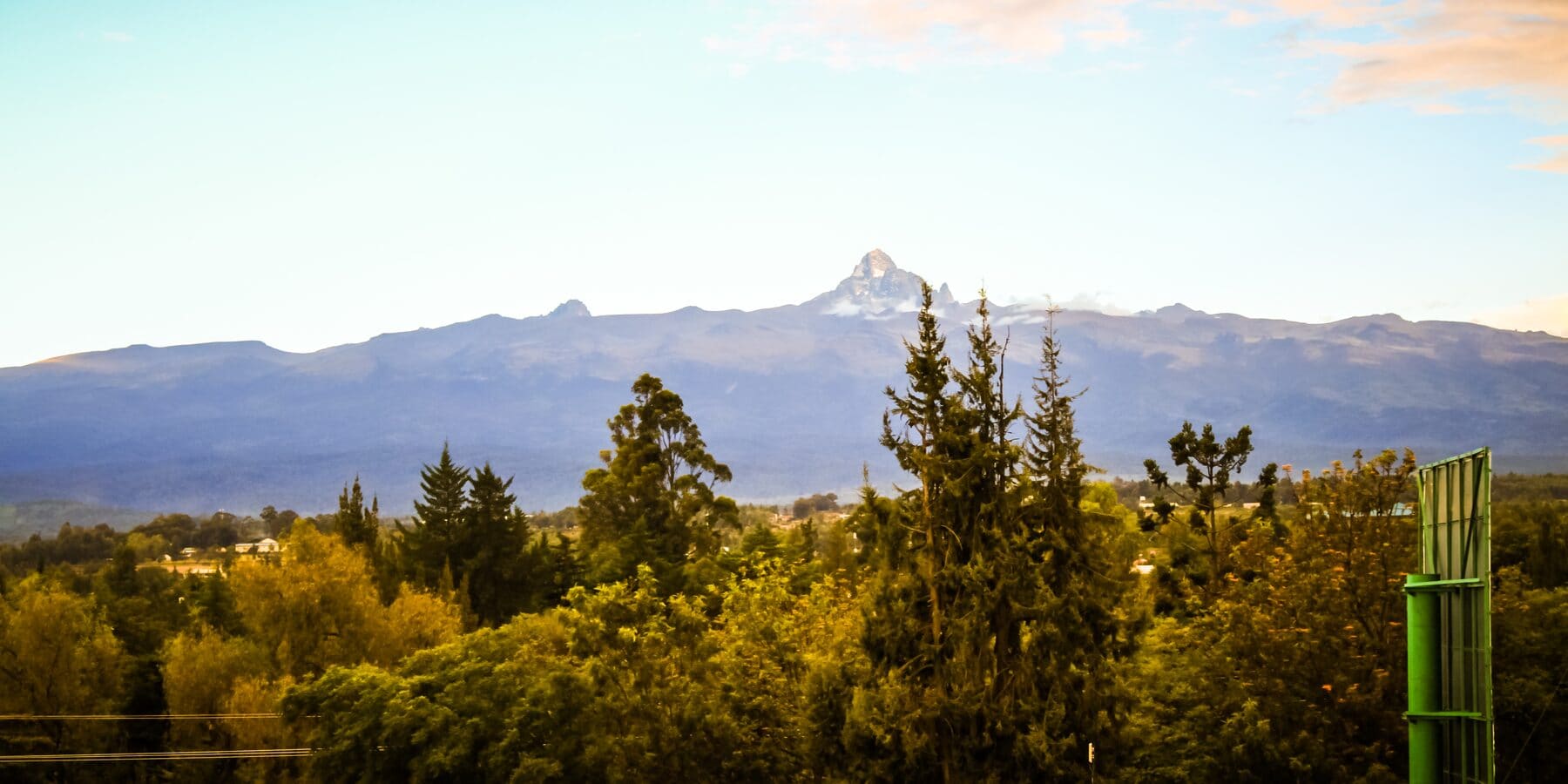
Explore one of Mount Kenya’s more remote trekking combinations on this seven-day Kamweti-to-Timau adventure. The route enters through the southern forest, climbs through bamboo and moorland to the Teleki Valley, attempts Point Lenana, then descends toward the less-travelled Timau side before returning through Nanyuki.
This is a specialist wilderness route rather than a standard hut-to-hut trek. Sections are less defined, wild camping may be required and lower forest areas can contain large wildlife. The specialist guide team, ranger requirements, current camps, transport access and emergency procedures must be confirmed in the booking programme.
Safari Highlights
- Remote Kamweti approach
- Sagana River and Thego River wilderness camps
- Mackinder’s Camp and Point Lenana attempt
- Timau-side descent
- Mau Mau Caves visit subject to exact-site confirmation
The route
01
Nairobi
02
Kamweti / Old Forest Station
03
Sagana River Camp
04
Thego River Camp
05
Mackinder’s Camp
06
Point Lenana
07
Major’s Camp
08
Timau Route
09
Nanyuki
10
Mau Mau Caves
11
Nairobi
Day-by-day itinerary
Day 1
Nairobi to Kamweti / Old Forest Station
Leave Nairobi early and travel toward the southern side of Mount Kenya and the confirmed Kamweti starting point. After the crew briefing and final gear checks, begin trekking through the lower forest toward the Old Forest Station area. This remote approach may require specialist access arrangements and, where required, ranger support. Camp at the confirmed wilderness site.
Day 2
Old Forest Station to Sagana River Camp
Continue through dense forest and bamboo toward the Sagana River area. The route is less developed than Mount Kenya’s major tourist trails, so navigation and pace should be controlled by an experienced guide familiar with current conditions. Establish camp at the confirmed Sagana River site.
Day 3
Sagana River Camp to Thego River Camp
Climb from the bamboo zone toward heath and moorland, gaining substantial altitude on the way to the Thego River area. The landscape becomes increasingly open as the trek approaches the upper mountain. Camp at the confirmed Thego River site and monitor altitude response carefully.
Day 4
Thego River Camp to Mackinder’s Camp
Continue through high-altitude vegetation toward the Teleki Valley and Mackinder’s Camp. The route may pass near alpine lakes and upper-mountain scenery depending on the current trail used. Reach Mackinder’s, rest and prepare for the following day’s summit attempt.
Day 5
Mackinder’s Camp to Point Lenana and Major’s Camp
Begin early for the climb toward Point Lenana. Continue only if altitude, weather and trail conditions are acceptable. After the summit attempt, descend toward the northern side of the mountain and continue to the confirmed Major’s Camp area for the night.
Day 6
Major’s Camp to Timau Roadhead and Nanyuki
Descend through the Timau side of Mount Kenya toward the roadhead. Meet the confirmed transfer vehicle and continue to Nanyuki for rest and overnight. The exact extraction point and transfer arrangement must be verified before publication.
Day 7
Mau Mau Caves Visit and Return to Nairobi
After breakfast, visit the confirmed Mau Mau Caves site with appropriate local or site guidance so the historical context is presented accurately. Return to the vehicle and travel to Nairobi, where the seven-day adventure concludes.
Safari FAQs
Is Kamweti–Timau more remote than Sirimon or Naro Moru?
Yes. It is a less-travelled combination with sections that can require wild camping, specialist navigation and additional operating arrangements.
Can wildlife be encountered on foot in the lower forest?
Potentially. Large wildlife occurs in Mount Kenya’s forest zones, which is why the final programme must specify guide and ranger procedures.
Is the Mau Mau Caves site confirmed?
Not yet. Land Rail should confirm the exact site and guide before this page is approved.
Who should choose this route?
Experienced trekkers seeking a more remote wilderness programme rather than the most established Mount Kenya trail infrastructure.
Loading enquiry form…